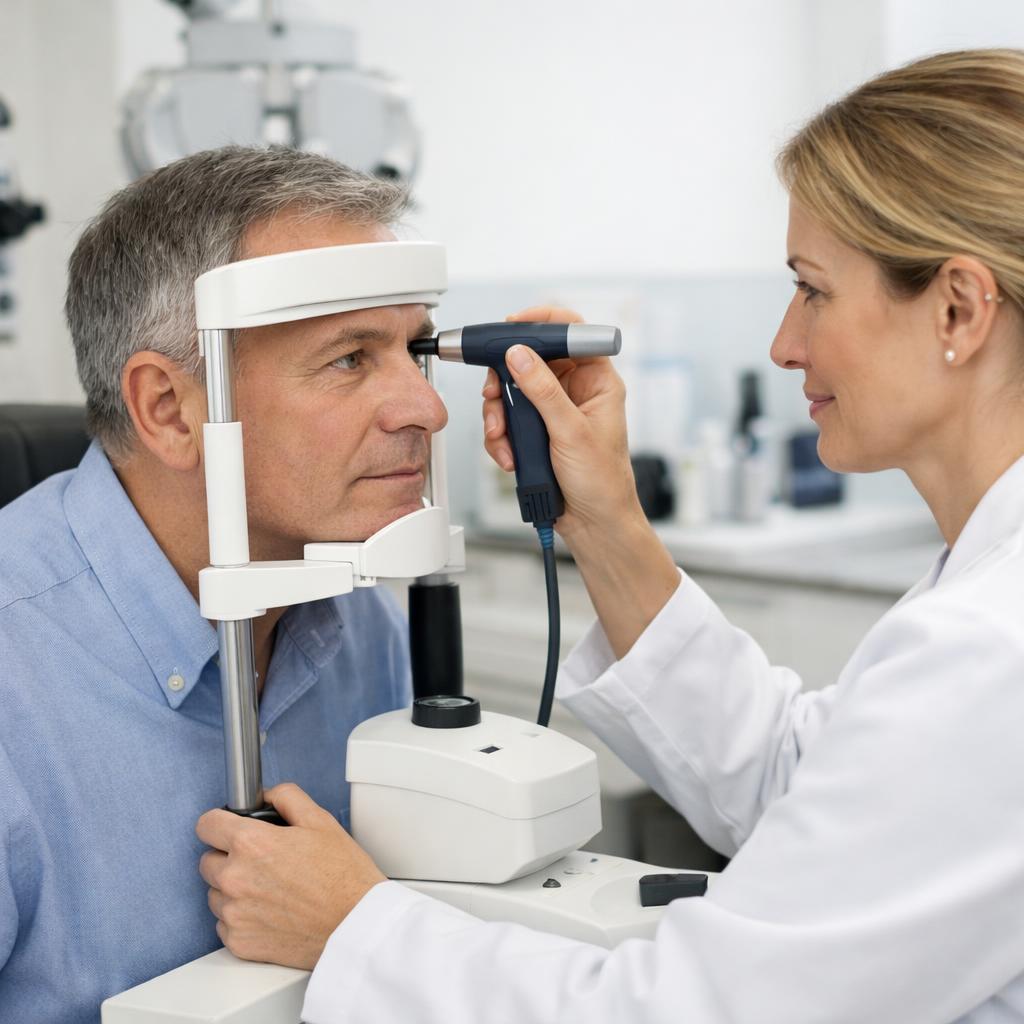
Glaucoma Screening in Tucson, AZ: What to Expect
Glaucoma is a group of eye diseases that can damage the optic nerve, often with few or no early symptoms. Because vision changes may not be noticeable at first, routine glaucoma screening can help identify signs that need further evaluation.
At Tucson Eye Institute in Tucson, AZ, glaucoma screening may include an eye pressure test, optic nerve exam, visual field test, and a review of glaucoma risk factors. This guide explains these tests in simple terms so you can feel more prepared for an eye visit.
Why Glaucoma Screening Matters
Glaucoma can affect the optic nerve, which carries visual information from the eye to the brain. In many cases, early glaucoma does not cause pain or obvious vision loss. Screening helps eye doctors look for patterns that may suggest glaucoma risk or the need for closer monitoring.
What Is an Eye Pressure Test?
An eye pressure test, also called tonometry, measures the pressure inside the eye. Higher eye pressure can be one risk factor for glaucoma, but it is not the only factor. Some people with normal eye pressure can still develop glaucoma, and some people with higher pressure may not have glaucoma.
What Happens During an Optic Nerve Exam?
During an optic nerve exam, the eye doctor evaluates the optic nerve for signs of thinning, cupping, or other changes. This may be done with a dilated eye exam and imaging technology. The goal is to document the appearance of the optic nerve and compare findings over time when needed.
How a Visual Field Test Checks Side Vision
A visual field test measures peripheral, or side, vision. Glaucoma often affects side vision before central vision. During the test, you respond when you see small lights in different areas of your vision. Results can help detect patterns that may be consistent with glaucoma or other eye conditions.
Common Glaucoma Risk Factors
Glaucoma risk may be higher with age, family history, elevated eye pressure, certain eye anatomy, previous eye injury, and some medical conditions. People of African, Hispanic/Latino, or Asian ancestry may have increased risk for certain types of glaucoma. Your eye doctor can review your health history and eye findings to decide how often monitoring may be appropriate.
How Often Should Adults Be Screened?
Screening frequency depends on age, risk factors, and previous exam findings. Adults with glaucoma risk factors may need more frequent comprehensive eye exams than adults at lower risk. If you live in Tucson, AZ and have a family history of glaucoma or have been told your eye pressure is high, it is reasonable to ask an eye doctor about an appropriate screening schedule.
When to See an Eye Doctor
Schedule a comprehensive eye exam if you notice changes in vision, have a family history of glaucoma, or have been advised to monitor eye pressure or optic nerve health. Seek urgent evaluation for sudden vision loss, severe eye pain, new flashes or floaters with a curtain-like shadow, or sudden significant vision changes.
What to Expect at Tucson Eye Institute
A glaucoma screening visit may include a review of medical and family history, eye pressure measurement, optic nerve evaluation, visual field testing when appropriate, and discussion of findings. The purpose is to gather information, explain what it may mean, and determine whether observation, additional testing, or treatment discussion is needed.
Frequently Asked Questions
Does glaucoma always cause symptoms?
No. Many types of glaucoma have few or no early symptoms, which is why routine eye exams are important.
Is an eye pressure test enough to detect glaucoma?
Not by itself. Eye pressure is one factor, but glaucoma screening often also includes an optic nerve exam and sometimes a visual field test.
What is a visual field test used for?
A visual field test checks side vision and can help identify patterns of vision loss that may occur with glaucoma.
Who is at higher risk for glaucoma?
Risk can be higher with age, family history, elevated eye pressure, certain ancestry, eye injury, and some medical conditions.
When should I seek urgent eye care?
Seek urgent evaluation for sudden vision loss, severe eye pain, new flashes or floaters with a curtain-like shadow, or sudden major vision changes.
Medical Disclaimer
This content is for educational purposes only and is not a diagnosis or personalized treatment plan. For questions about glaucoma screening, eye pressure, optic nerve health, or vision changes, consult a qualified eye care professional. Tucson Eye Institute in Tucson, AZ can provide an eye evaluation based on your individual history and exam findings.
Author Bio
Reviewed by Dr. Zuraida Zainalabidin (Dr. Zie)
Sources
- American Academy of Ophthalmology (AAO)
- National Eye Institute (NEI)
- Centers for Disease Control and Prevention (CDC)
- Mayo Clinic