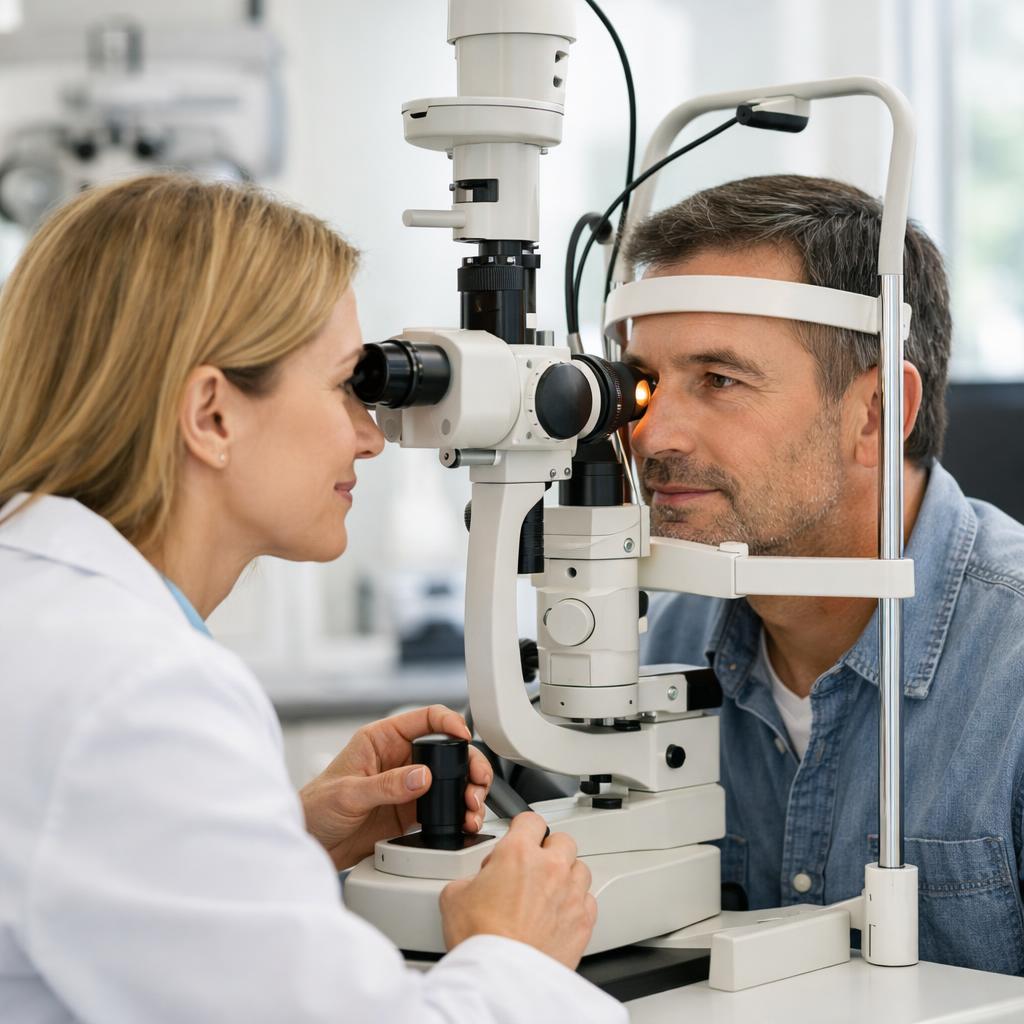
Glaucoma Screening in Tucson, AZ: Protecting Your Vision Early
Glaucoma is a group of eye conditions that can damage the optic nerve, often without noticeable symptoms in the early stages. Because vision loss from glaucoma is usually gradual and painless, routine screening is one of the most effective ways to protect your sight.
At Tucson Eye Institute in Tucson, AZ, glaucoma screening is designed to detect early changes in eye pressure, optic nerve health, and peripheral vision before significant damage occurs.
What Is Glaucoma?
Glaucoma is a condition that damages the optic nerve, which carries visual information from the eye to the brain. It is often associated with increased pressure inside the eye, but it can also occur with normal eye pressure.
If left untreated, glaucoma can lead to permanent vision loss, typically starting with peripheral vision loss (side vision). Early detection through regular eye exams is essential because vision already lost from glaucoma cannot usually be restored.
Why Glaucoma Screening Matters in Tucson, AZ
Many people with glaucoma do not notice glaucoma symptoms until the disease has progressed. Routine glaucoma screening in Tucson, AZ is especially important for adults over 40, individuals with a family history of glaucoma, and those with certain medical conditions such as diabetes or high blood pressure.
Regular exams at Tucson Eye Institute help monitor changes over time and identify concerns early, when treatment may be most effective at slowing progression.
What Happens During a Glaucoma Screening?
A comprehensive glaucoma screening may include several painless tests:
- Eye pressure test (tonometry): Measures the pressure inside your eye.
- Optic nerve exam: Allows your eye doctor to evaluate the shape and health of the optic nerve.
- Visual field testing: Checks for peripheral vision loss.
- Imaging tests: Capture detailed images of the optic nerve for comparison over time.
These tests work together to provide a complete picture of your eye health.
Common Glaucoma Symptoms
In early stages, glaucoma often has no noticeable symptoms. As it progresses, people may experience:
- Gradual peripheral vision loss
- Difficulty seeing in low light
- Blurred vision
In rare cases of acute glaucoma, symptoms may include severe eye pain, headache, nausea, halos around lights, and sudden vision changes. These symptoms require urgent medical evaluation.
When to See an Eye Doctor
You should schedule routine comprehensive eye exams as recommended by your eye care professional, especially if you are over 40 or have risk factors.
Seek urgent evaluation if you experience sudden vision loss, flashes or floaters with a curtain-like shadow, or severe eye pain. Prompt care can be critical in protecting your vision.
Ongoing Monitoring and Glaucoma Care
If glaucoma is suspected or diagnosed, regular follow-up visits are essential. Monitoring may include repeat eye pressure tests, optic nerve exams, and visual field testing.
At Tucson Eye Institute in Tucson, AZ, the goal of glaucoma care is to slow or prevent further optic nerve damage through individualized management plans and consistent monitoring.
Frequently Asked Questions
How often should I have a glaucoma screening?
Adults over 40 should have regular comprehensive eye exams as recommended by their eye doctor. Those with higher risk may need more frequent screening.
Is an eye pressure test painful?
No. An eye pressure test is typically quick and painless. Numbing drops may be used to ensure comfort.
Can glaucoma be cured?
There is currently no cure for glaucoma, but early detection and treatment can help slow or prevent further vision loss.
What causes peripheral vision loss in glaucoma?
Peripheral vision loss occurs when glaucoma damages the optic nerve fibers responsible for side vision.
Who is at higher risk for glaucoma?
Risk factors include age over 40, family history of glaucoma, elevated eye pressure, certain medical conditions, and long-term steroid use.
This content is for educational purposes only and does not constitute medical advice. For personalized evaluation or treatment, please schedule an appointment with Tucson Eye Institute in Tucson, AZ.
Author Bio
Reviewed by Dr. Zuraida Zainalabidin (Dr. Zie)
Sources
American Academy of Ophthalmology (AAO)
National Eye Institute (NEI)
Centers for Disease Control and Prevention (CDC)
Mayo Clinic