Dry Eye Treatment in Tucson AZ
Dry, burning, or gritty eyes can make daily life uncomfortable—especially in a desert climate like Tucson, AZ. Dry eye disease is a common condition that affects tear quality or quantity, leading to irritation and blurred vision.
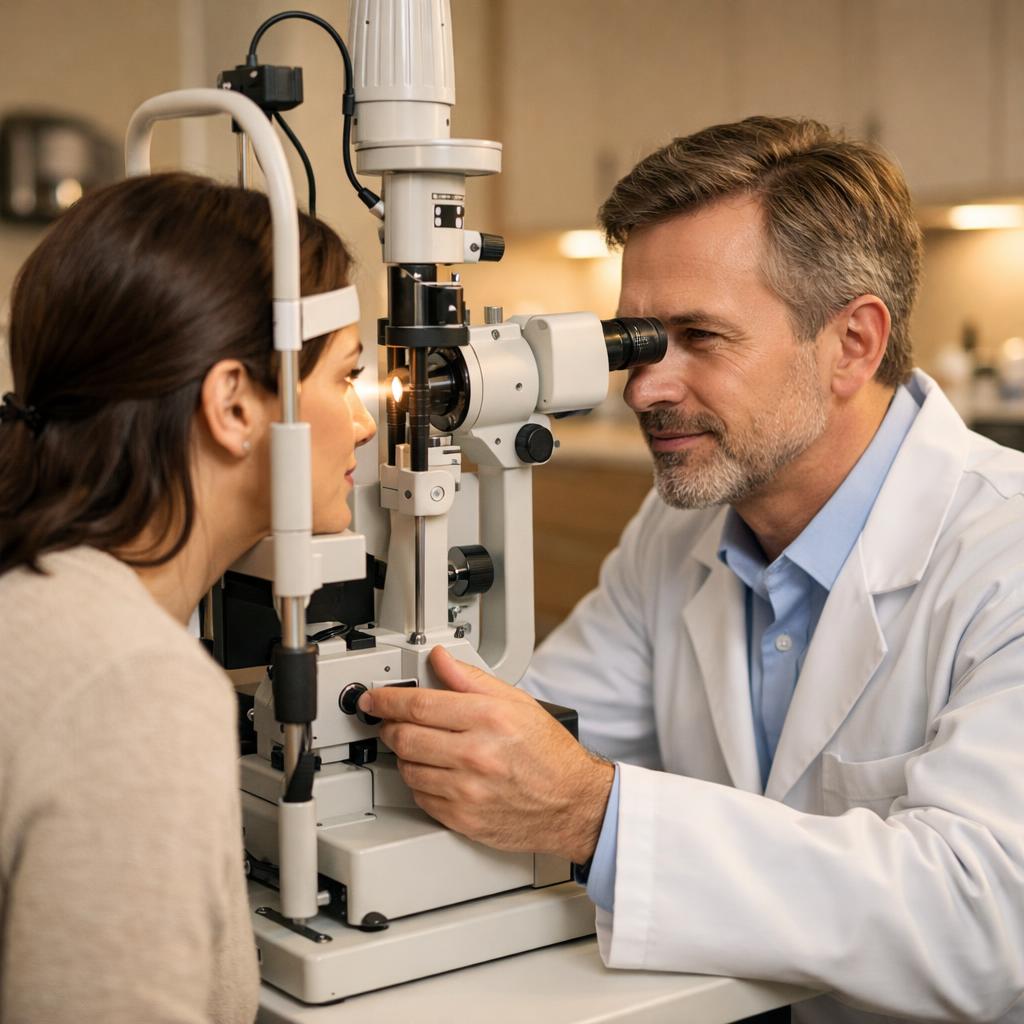
At Tucson Eye Institute, we provide comprehensive evaluations and evidence-based dry eye treatment in Tucson AZ to help patients better understand their symptoms and available care options.
What Is Dry Eye Disease?
Dry eye disease occurs when your eyes do not produce enough tears or when the tears evaporate too quickly. Healthy tears are essential for clear vision and eye comfort. They lubricate the surface of the eye, reduce infection risk, and wash away debris.
Dry eye can be temporary or chronic. Environmental factors, aging, certain medications, and underlying conditions may all contribute.
Common Dry Eye Symptoms
Dry eye symptoms can range from mild to bothersome and may include:
- Burning eyes
- Gritty eyes or a sandy sensation
- Redness
- Blurred or fluctuating vision
- Sensitivity to light
- Watery eyes (a reflex response to irritation)
Symptoms may worsen in dry, windy environments like Tucson, AZ, or after prolonged screen use.
Meibomian Gland Dysfunction (MGD)
Meibomian gland dysfunction is one of the most common causes of dry eye. The meibomian glands, located in the eyelids, produce oils that help prevent tears from evaporating too quickly.
When these glands become blocked or inflamed, tears evaporate faster, leading to irritation and dryness. Identifying MGD is an important step in developing an effective treatment plan.
Dry Eye Treatment Options
Dry eye treatment in Tucson AZ depends on the underlying cause and severity. Options may include:
- Artificial tears to supplement natural moisture
- Prescription eye drops to reduce inflammation
- Warm compresses and eyelid hygiene for MGD
- In-office therapies designed to improve gland function
- Lifestyle adjustments, such as humidifiers or screen breaks
An eye exam helps determine which approach is most appropriate for your condition.
Why Dry Eye Is Common in Tucson, AZ
Tucson’s desert climate, low humidity, wind, and dust can all contribute to tear evaporation. Air conditioning and extended computer use may further worsen symptoms.
Local patients often notice increased dryness during allergy season or after spending time outdoors. A personalized evaluation can help identify environmental triggers and management strategies.
When to See an Eye Doctor
Consider scheduling an eye exam if dry eye symptoms persist, interfere with daily activities, or do not improve with over-the-counter artificial tears.
Seek urgent medical evaluation if you experience sudden vision loss, flashes of light, a curtain-like shadow in your vision, or severe eye pain. These symptoms may indicate a more serious condition requiring immediate attention.
Frequently Asked Questions
What causes dry eye disease?
Dry eye can be caused by decreased tear production, rapid tear evaporation, meibomian gland dysfunction, aging, medications, environmental factors, or certain medical conditions.
Are artificial tears safe to use daily?
Artificial tears are commonly used for symptom relief. Preservative-free options may be recommended for frequent use. An eye exam can help determine the best type for your needs.
Can dry eye affect vision?
Yes. Dry eye can cause blurred or fluctuating vision because tears are essential for maintaining a smooth optical surface.
Is dry eye permanent?
Dry eye is often a chronic condition, but symptoms can usually be managed with appropriate treatment and lifestyle adjustments.
How is meibomian gland dysfunction treated?
Treatment may include warm compresses, eyelid hygiene, prescription medications, or in-office procedures designed to improve gland function.
This content is for educational purposes only and does not constitute medical advice. For personalized evaluation and care, please schedule an appointment with Tucson Eye Institute in Tucson, AZ.
Author Bio
Reviewed by Dr. Zuraida Zainalabidin (Dr. Zie)
Sources
American Academy of Ophthalmology (AAO)
National Eye Institute (NEI)
Mayo Clinic
Centers for Disease Control and Prevention (CDC)