Comprehensive Eye Exam in Tucson, AZ
Scheduling a routine eye exam Tucson AZ is one of the most important steps you can take to protect your vision and overall eye health. Regular exams help detect vision changes and early signs of eye disease—often before symptoms begin.
At Tucson Eye Institute in Tucson, AZ, our comprehensive eye exams are designed to evaluate both how clearly you see and how healthy your eyes are, using modern diagnostic technology in a comfortable setting.
What Is a Comprehensive Eye Exam?
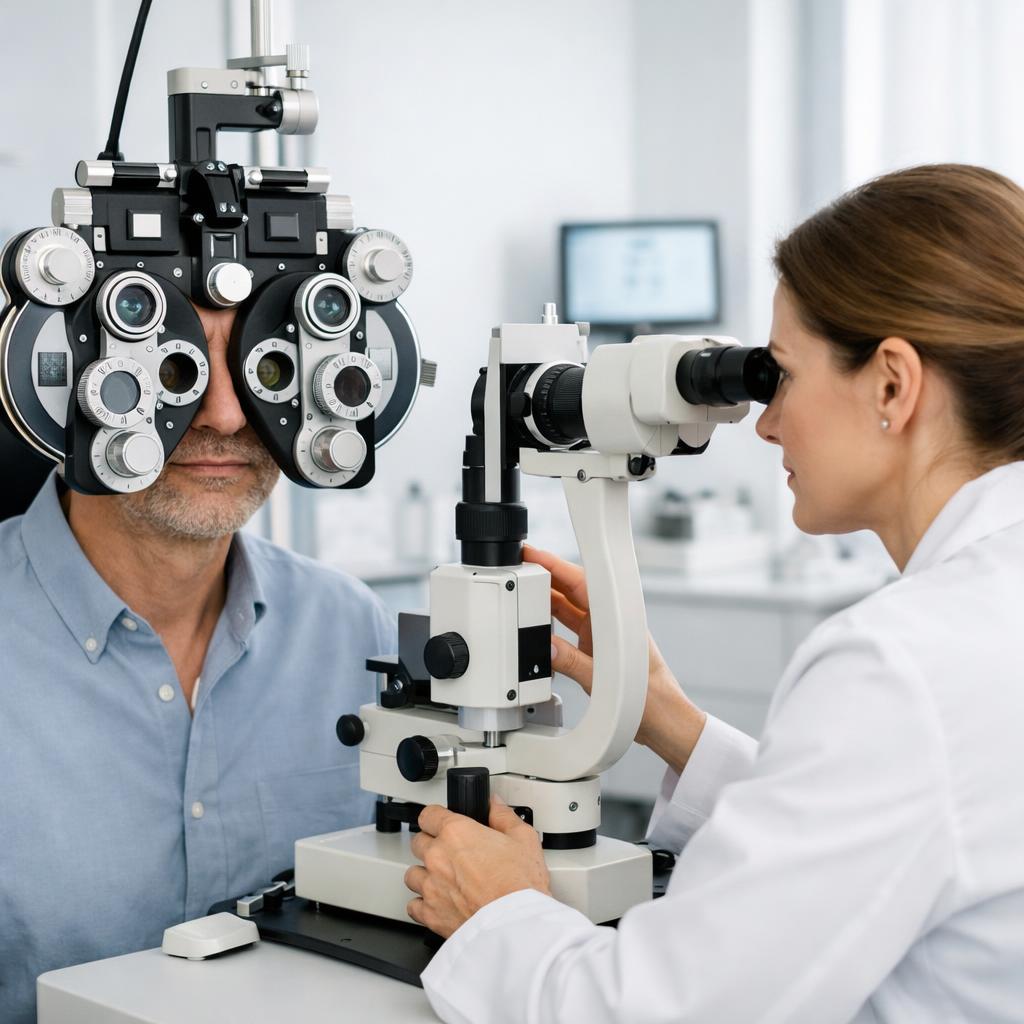
A comprehensive eye exam is more than a basic vision screening. It includes a detailed assessment of your visual acuity (how clearly you see), eye coordination, focusing ability, and overall eye health.
During a comprehensive eye exam, your optometrist in Tucson evaluates the front and back of the eye, checks eye pressure, and looks for early signs of conditions such as glaucoma, macular degeneration, and diabetic eye disease.
What to Expect During Your Vision Checkup
Your vision checkup at Tucson Eye Institute may include:
- A review of your medical and vision history
- Visual acuity testing using an eye chart
- Refraction to determine your glasses or contact lens prescription
- Eye pressure measurement (tonometry)
- Examination of the retina and optic nerve
Some tests may require pupil dilation, which allows a clearer view of the back of the eye. Temporary light sensitivity or blurry near vision can occur afterward.
Why Annual Eye Exams Matter
An annual eye exam helps track subtle changes in your vision and eye health over time. Many eye diseases develop gradually and without pain.
Regular exams in Tucson, AZ are especially important for:
- Adults over 40
- People with diabetes or high blood pressure
- Individuals with a family history of eye disease
- Children and teens with changing vision
Early detection allows for timely management and monitoring.
Signs You Should See an Eye Doctor
In addition to routine visits, schedule an exam if you notice:
- Blurry or double vision
- Frequent headaches or eye strain
- Difficulty seeing at night
- Increased sensitivity to light
Seek urgent medical evaluation if you experience sudden vision loss, flashes of light with new floaters and a curtain-like shadow, or severe eye pain. These symptoms may require immediate attention.
Eye Exams for Glasses and Contact Lenses
If you need glasses or contact lenses, your comprehensive eye exam includes a refraction test to determine your most accurate prescription.
Contact lens wearers may require additional measurements to ensure proper fit and eye surface health. Proper lens fit helps reduce discomfort and potential complications.
Local Eye Care in Tucson, AZ
Choosing a local optometrist in Tucson means your care is tailored to the unique environmental factors of Southern Arizona, including sun exposure and dry climate conditions.
At Tucson Eye Institute, we focus on patient education, preventive care, and long-term vision wellness for individuals and families throughout Tucson, AZ.
Frequently Asked Questions
How often should I get an eye exam?
Most adults benefit from an annual eye exam, but your eye doctor may recommend a different schedule based on your age, health history, and risk factors.
Are eye exams only for people who need glasses?
No. Even if you see clearly, a comprehensive eye exam checks for early signs of eye disease and other health conditions.
Does an eye exam hurt?
Eye exams are generally comfortable and non-invasive. Some tests may cause mild temporary light sensitivity, especially if your pupils are dilated.
How long does a comprehensive eye exam take?
Most exams take about 30 to 60 minutes, depending on the tests performed and whether dilation is needed.
Can an eye exam detect other health problems?
Yes. Eye exams can sometimes reveal signs of systemic conditions such as diabetes, high blood pressure, and certain neurological issues.
Medical Disclaimer: This content is for educational purposes only and does not constitute medical advice. For personalized evaluation or treatment, schedule an appointment with Tucson Eye Institute in Tucson, AZ. If you experience urgent symptoms such as sudden vision loss, severe eye pain, or flashes and floaters with a curtain-like shadow, seek immediate medical care.
Author Bio
Reviewed by Dr. Zuraida Zainalabidin (Dr. Zie)
Sources
American Academy of Ophthalmology (AAO)
National Eye Institute (NEI)
Centers for Disease Control and Prevention (CDC)
Mayo Clinic