Eyeglasses Prescription Tucson AZ: When to Update Your Glasses
If your vision feels blurry, your eyes feel tired, or your current glasses no longer seem as clear, it may be time to check your eyeglasses prescription in Tucson, AZ. A refraction test helps measure how your eyes focus light and whether updated glasses may improve day-to-day visual clarity.
At Tucson Eye Institute, eyeglasses and refraction services are part of routine eye care for adults and children. This guide explains common reasons prescriptions change, what to expect during testing, and when symptoms should be evaluated promptly.
What Is an Eyeglasses Prescription?
An eyeglasses prescription is a set of measurements used to make lenses that help focus light more clearly on the retina. It may include numbers for nearsightedness, farsightedness, astigmatism, and reading correction.
A prescription is not the same as a complete eye health exam, but it is an important part of vision correction. Your eye care team uses prescription measurements to help create lenses that match your visual needs.
What Happens During a Refraction Test?
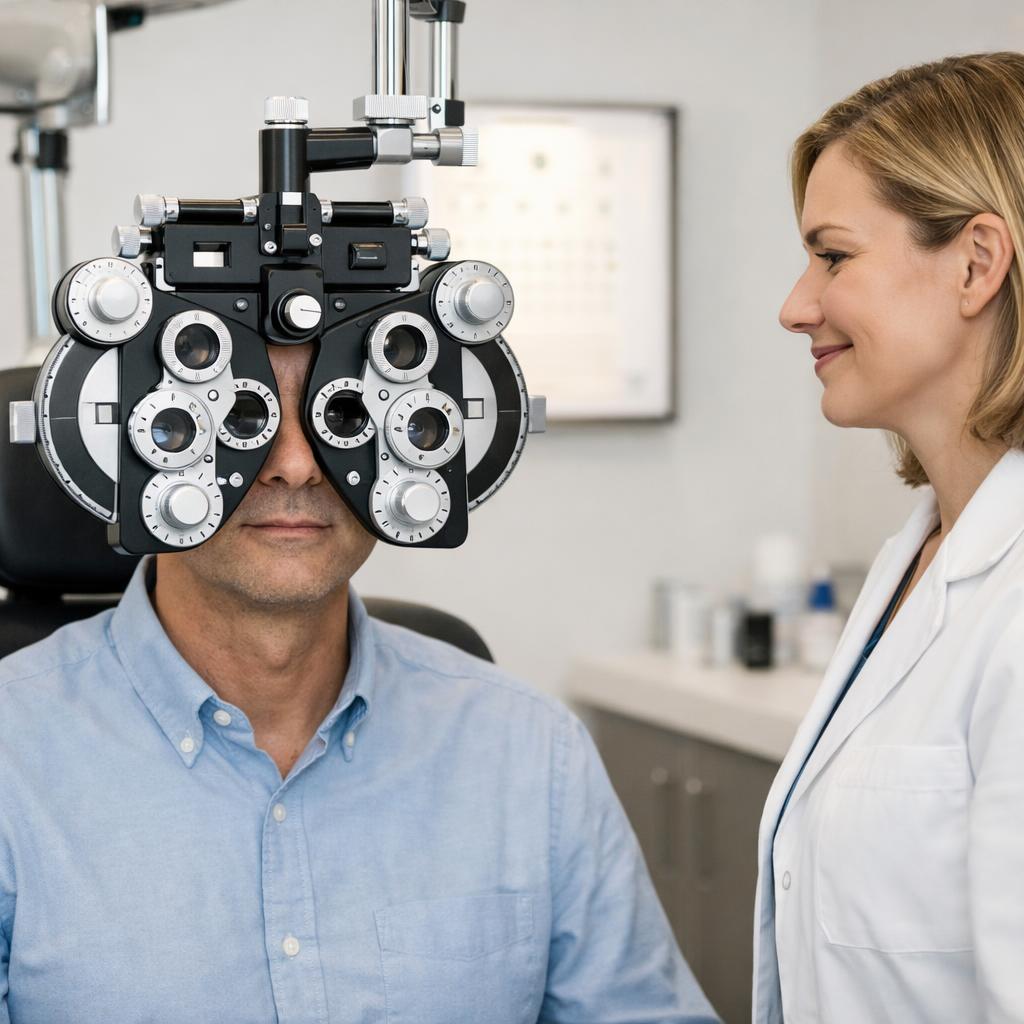
A refraction test checks which lens powers help you see most clearly. During the test, you may look through different lenses and compare choices, such as which option looks clearer.
This process helps measure how much focusing correction your eyes need. The goal is to find a balanced prescription that supports comfortable vision for distance, near work, or both.
Signs You May Need Updated Glasses
Common signs that your glasses may need an update include blurry distance vision, squinting, headaches after reading or screen use, eye strain, or difficulty seeing at night. Some people also notice they hold reading material farther away or need more light.
These symptoms can have several causes. An eye exam helps determine whether the issue is related to prescription changes, eye surface comfort, or another eye health concern.
Nearsightedness and Other Refractive Errors
Nearsightedness, also called myopia, means distant objects look blurry while close objects may be clearer. Farsightedness can make near work harder, and astigmatism can cause blur or distortion at multiple distances.
Presbyopia is an age-related focusing change that often affects reading vision, usually beginning in the 40s. Eyeglasses are one common way to correct these refractive errors.
Why Prescriptions Can Change Over Time
Eyeglasses prescriptions may change because of normal growth, aging, eye focusing changes, medical conditions, medication effects, or lifestyle demands such as increased screen use.
In Tucson, AZ, dry climate and allergy seasons can also contribute to eye discomfort that may make vision feel less stable, even when the prescription itself has not changed.
Choosing Glasses for Daily Vision Needs
The right lenses depend on how you use your eyes. Some people need single-vision lenses for distance or reading, while others benefit from bifocals, progressives, or computer-focused lenses.
Lens materials, coatings, and frame fit can also affect comfort and clarity. A current prescription and accurate measurements help support the best possible eyewear experience.
When to See an Eye Doctor
Schedule an eye exam if your vision changes, your glasses feel less effective, or you have frequent headaches, eye strain, or trouble driving at night.
Seek urgent evaluation for sudden vision loss, new flashes or floaters with a curtain-like shadow, severe eye pain, sudden double vision, or eye injury. These symptoms can be related to serious eye conditions and should not wait for a routine appointment.
FAQ
How often should I update my eyeglasses prescription?
Many adults benefit from routine eye exams every one to two years, but timing varies based on age, symptoms, and eye health history.
Is a refraction test the same as an eye exam?
No. A refraction test measures lens power for vision correction, while a comprehensive eye exam also evaluates eye health.
Can nearsightedness get worse over time?
Yes, nearsightedness can change, especially during childhood and teen years. Adults can also have prescription changes.
Why do my glasses feel wrong even with a new prescription?
Adjustment time, frame fit, lens design, measurement differences, or eye comfort issues can affect how new glasses feel.
Should I get checked if only one eye seems blurry?
Yes. New blur in one eye should be evaluated, especially if it is sudden, worsening, or associated with pain or other symptoms.
Medical Disclaimer
This content is for educational purposes only and does not provide diagnosis or personalized treatment advice. For questions about your vision, eyeglasses prescription, or eye health, schedule an evaluation with a qualified eye care professional. Tucson Eye Institute in Tucson, AZ can provide eye care guidance based on an in-person examination.
Author Bio
Reviewed by Dr. Zuraida Zainalabidin (Dr. Zie)
Sources
- American Academy of Ophthalmology (AAO)
- National Eye Institute (NEI)
- Mayo Clinic
- American Optometric Association (AOA)