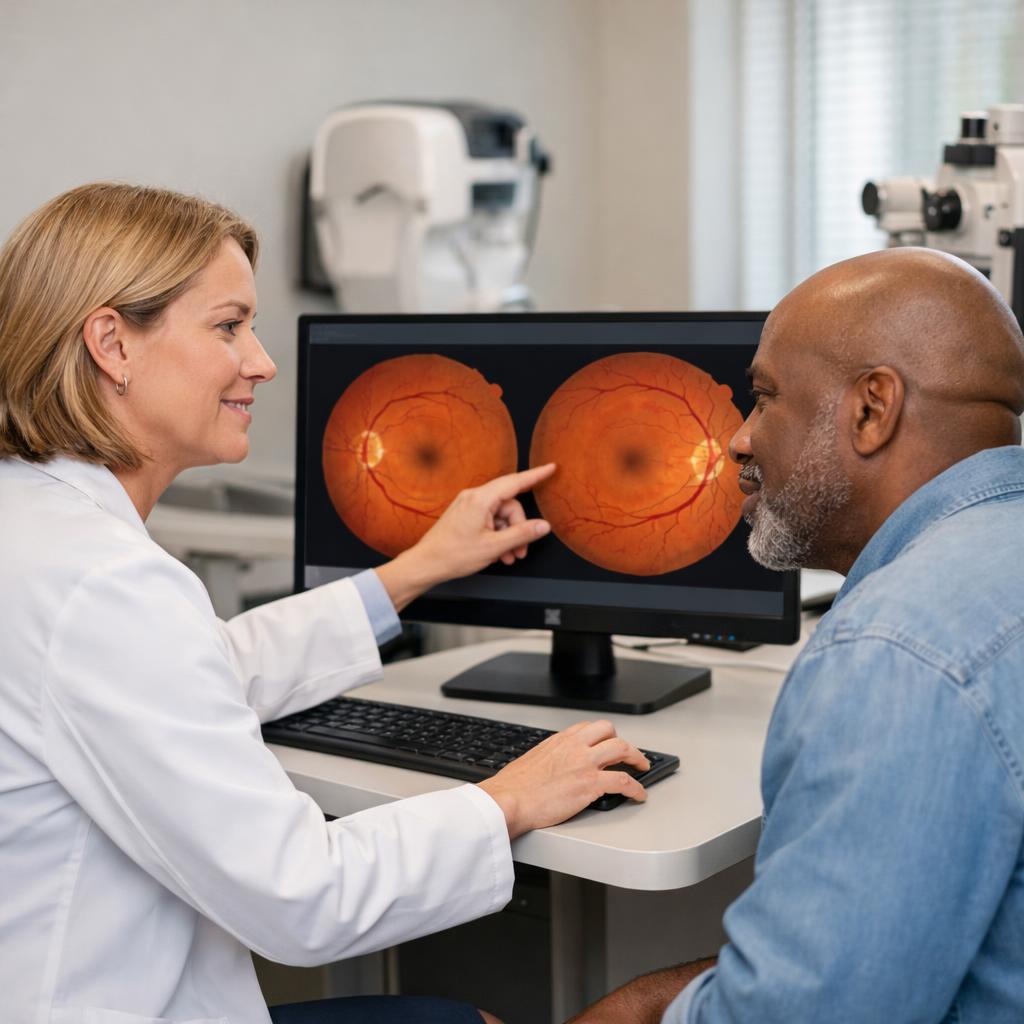
Diabetic Eye Exam in Tucson, AZ: What to Know About Diabetic Eye Care
Diabetes can affect the small blood vessels in the retina, the light-sensitive tissue at the back of the eye. A diabetic eye exam helps look for early signs of diabetic eye disease, often before noticeable vision changes occur.
At Tucson Eye Institute in Tucson, AZ, diabetic eye care focuses on education, screening, and timely referral when more advanced retinal care may be needed.
Why Diabetes Can Affect Vision
High blood sugar over time can damage tiny blood vessels throughout the body, including those in the retina. This may lead to diabetic retinopathy, diabetic macular edema, cataracts, glaucoma risk, or changes in focusing that make vision fluctuate.
Not every person with diabetes has symptoms right away. That is why routine eye exams are important, even when vision seems normal.
What Is a Diabetic Eye Exam?
A diabetic eye exam is a comprehensive eye evaluation that looks closely at the retina and other eye structures affected by diabetes. It may include vision testing, eye pressure measurement, a retinal exam, and often a dilated eye exam.
Dilation allows the eye doctor to see more of the back of the eye and check for bleeding, swelling, abnormal blood vessels, or other changes.
Diabetic Retinopathy Screening: What Eye Doctors Look For
During diabetic retinopathy screening, the eye doctor looks for signs such as tiny retinal hemorrhages, leaking blood vessels, swelling near the macula, or new abnormal blood vessel growth.
These findings can help determine whether monitoring, medical treatment, or referral to a retina specialist may be appropriate. Screening does not guarantee prevention of vision loss, but it can support earlier detection.
Common Diabetes Vision Changes
Diabetes vision changes can include blurry vision, fluctuating vision, difficulty seeing at night, new floaters, or areas of missing vision.
Sometimes vision changes are related to blood sugar shifts rather than permanent damage, but symptoms should still be evaluated by an eye care professional. Sudden or severe symptoms need urgent attention.
What to Expect During a Dilated Eye Exam
For a dilated eye exam, eye drops are placed in the eyes to widen the pupils. This can make near vision blurry and light sensitivity more noticeable for several hours.
Many patients bring sunglasses and may arrange transportation if they feel uncomfortable driving after dilation. Your eye doctor may also use retinal imaging to document changes over time.
How Often Should People With Diabetes Have Eye Exams?
Many adults with diabetes are advised to have regular comprehensive eye exams, often at least once a year, though timing can vary based on eye findings, pregnancy, blood sugar control, diabetes type, and medical history.
Your primary care clinician, endocrinologist, and eye doctor can help guide an appropriate exam schedule. This article is educational and is not a substitute for individualized medical advice.
When to See an Eye Doctor in Tucson, AZ
People with diabetes should schedule routine diabetic eye care even if vision seems normal.
Seek urgent evaluation for sudden vision loss, a sudden increase in flashes or floaters, a curtain-like shadow over vision, severe eye pain, or major new distortion. Tucson Eye Institute in Tucson, AZ can help evaluate many diabetic eye concerns and advise when specialized retinal care is needed.
FAQ
Is a diabetic eye exam different from a regular eye exam?
Yes. A diabetic eye exam includes careful evaluation of the retina for diabetes-related changes, often with dilation and retinal imaging.
Can diabetic retinopathy happen without symptoms?
Yes. Diabetic retinopathy may develop before noticeable vision changes, which is why routine screening is important.
Will my eyes be dilated during a diabetic eye exam?
Often, yes. Dilation helps the eye doctor view more of the retina and look for signs of diabetic eye disease.
What symptoms should be checked urgently?
Sudden vision loss, severe eye pain, flashes or floaters with a curtain-like shadow, or sudden major distortion should be evaluated urgently.
Where can I learn about diabetic eye care in Tucson, AZ?
Tucson Eye Institute provides educational diabetic eye care information and eye exams for patients in Tucson, AZ.
Medical Disclaimer
This content is for educational purposes only and does not provide a diagnosis or personalized treatment advice. If you have diabetes, vision changes, or eye symptoms, contact an eye care professional. Tucson Eye Institute in Tucson, AZ can provide an eye evaluation and discuss general diabetic eye care considerations.
Author Bio
Reviewed by Dr. Zuraida Zainalabidin (Dr. Zie)
Sources
- American Academy of Ophthalmology (AAO)
- National Eye Institute (NEI)
- Centers for Disease Control and Prevention (CDC)
- American Diabetes Association (ADA)