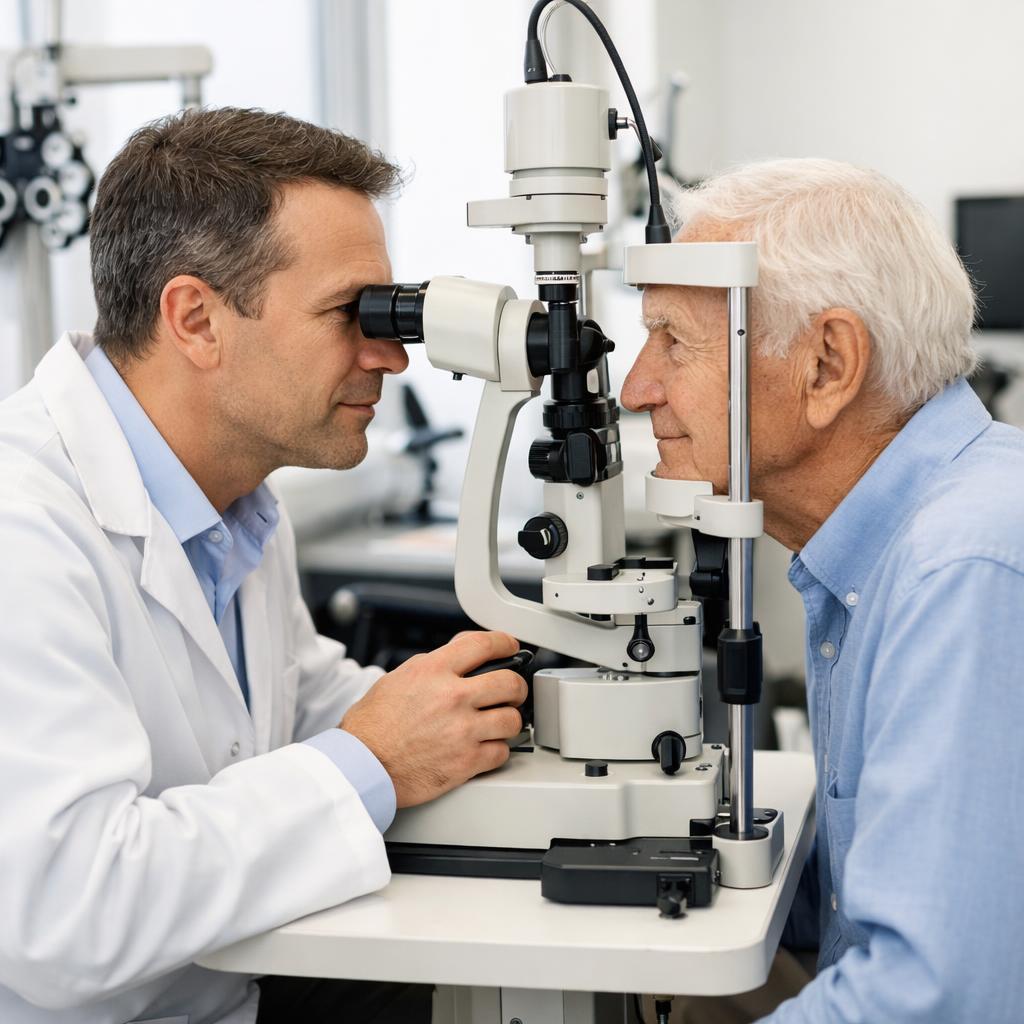
Cataract Evaluation in Tucson, AZ: Symptoms, Testing & What to Expect
Cataracts are a common cause of blurry or cloudy vision, especially as we age. If you’ve noticed increasing glare at night or difficulty reading, a comprehensive cataract evaluation Tucson AZ can help determine the cause.
At Tucson Eye Institute in Tucson, AZ, we provide thorough eye examinations to assess cataract symptoms and guide you through the next steps in your care.
What Are Cataracts?
A cataract occurs when the natural lens inside the eye becomes cloudy. The lens is normally clear and helps focus light onto the retina. Over time, proteins in the lens can break down and clump together, leading to cloudy vision.
Cataracts often develop slowly and may affect one or both eyes. They are most commonly age-related but can also be associated with medical conditions, eye injuries, certain medications, or previous eye surgery.
Common Cataract Symptoms
Many people in Tucson, AZ first notice subtle vision changes. Common cataract symptoms include:
- Cloudy or blurry vision
- Increased sensitivity to light
- Night driving glare or halos around lights
- Faded or yellowed colors
- Frequent changes in glasses prescription
- Difficulty reading in low light
Symptoms usually progress gradually. If vision changes begin interfering with daily activities, it’s time to schedule an eye evaluation.
What Happens During a Cataract Evaluation?
A cataract evaluation at Tucson Eye Institute includes several tests to assess your vision and the health of your eyes:
- Visual acuity testing to measure how clearly you see
- Refraction to determine if updated glasses improve vision
- Slit-lamp examination to examine the front structures of the eye
- Dilated eye exam to evaluate the lens and retina
These tests help confirm a cataract diagnosis and determine how much it is affecting your vision.
How Cataracts Are Diagnosed
Cataract diagnosis is based on your symptoms and exam findings. During a dilated exam, the eye doctor looks directly at the lens to assess the location and density of clouding.
In some cases, additional imaging may be used to evaluate the retina, especially if other eye conditions are suspected. The goal is to ensure that cataracts are the primary cause of vision changes.
When to See an Eye Doctor in Tucson, AZ
Consider scheduling a cataract evaluation in Tucson AZ if you experience worsening blurry vision, increased night driving glare, or difficulty with daily tasks like reading or watching TV.
Seek urgent evaluation if you notice sudden vision loss, new flashes of light, many new floaters with a curtain-like shadow, or severe eye pain. These symptoms may indicate other serious eye conditions that require immediate care.
What Happens After a Cataract Evaluation?
Not all cataracts require immediate treatment. In early stages, updated glasses or improved lighting may help.
If cataracts significantly affect quality of life, your eye doctor may discuss surgical options. Cataract surgery involves removing the cloudy lens and replacing it with a clear artificial lens. Your provider will review risks, benefits, and expected outcomes so you can make an informed decision.
Why Regular Eye Exams Matter
Routine comprehensive eye exams are essential for adults, especially over age 60. Cataracts develop gradually, and early detection allows for monitoring and timely intervention.
At Tucson Eye Institute, we are committed to providing thorough cataract evaluations and personalized guidance for patients throughout Tucson, AZ.
Frequently Asked Questions
What is the first sign of a cataract?
The first sign is often mild blurry or cloudy vision. Some people also notice increased glare from headlights at night.
How is a cataract diagnosed?
A cataract is diagnosed during a comprehensive eye exam that includes visual testing and a dilated examination of the lens.
Can glasses fix cataracts?
In early stages, updated glasses may improve vision. However, glasses cannot remove the cloudy lens.
Are cataracts common in older adults?
Yes. Cataracts are very common with aging and are one of the leading causes of vision changes in adults over 60.
When should I consider cataract surgery?
Surgery may be considered when cataracts interfere with daily activities such as reading, driving, or recognizing faces. Your eye doctor can help determine appropriate timing.
Medical Disclaimer: This content is for educational purposes only and does not constitute medical advice. For personalized evaluation or treatment, please schedule an appointment with Tucson Eye Institute in Tucson, AZ. If you experience sudden vision changes or severe eye pain, seek immediate medical care.
Author Bio
Reviewed by Dr. Zuraida Zainalabidin (Dr. Zie)
Sources
American Academy of Ophthalmology (AAO)
National Eye Institute (NEI)
Centers for Disease Control and Prevention (CDC)
Mayo Clinic